Commercial Grease Trap Cleaning in Rochester, MN
Raw sewage backing up into a commercial kitchen is not just a health hazard. It is a business-ending emergency. For food service establishments in Rochester, MN, routine commercial grease trap cleaning is the single most effective way to prevent that nightmare scenario from ever happening.
Rochester Drain Rite serves the restaurants, cafeterias, brewpubs, and commercial kitchens that keep this city running. If you operate a food service business here, here is what you need to know about grease traps, local ordinances, and the real cost of skipping routine maintenance.
Why Grease Is a Bigger Threat Than Most Owners Realize
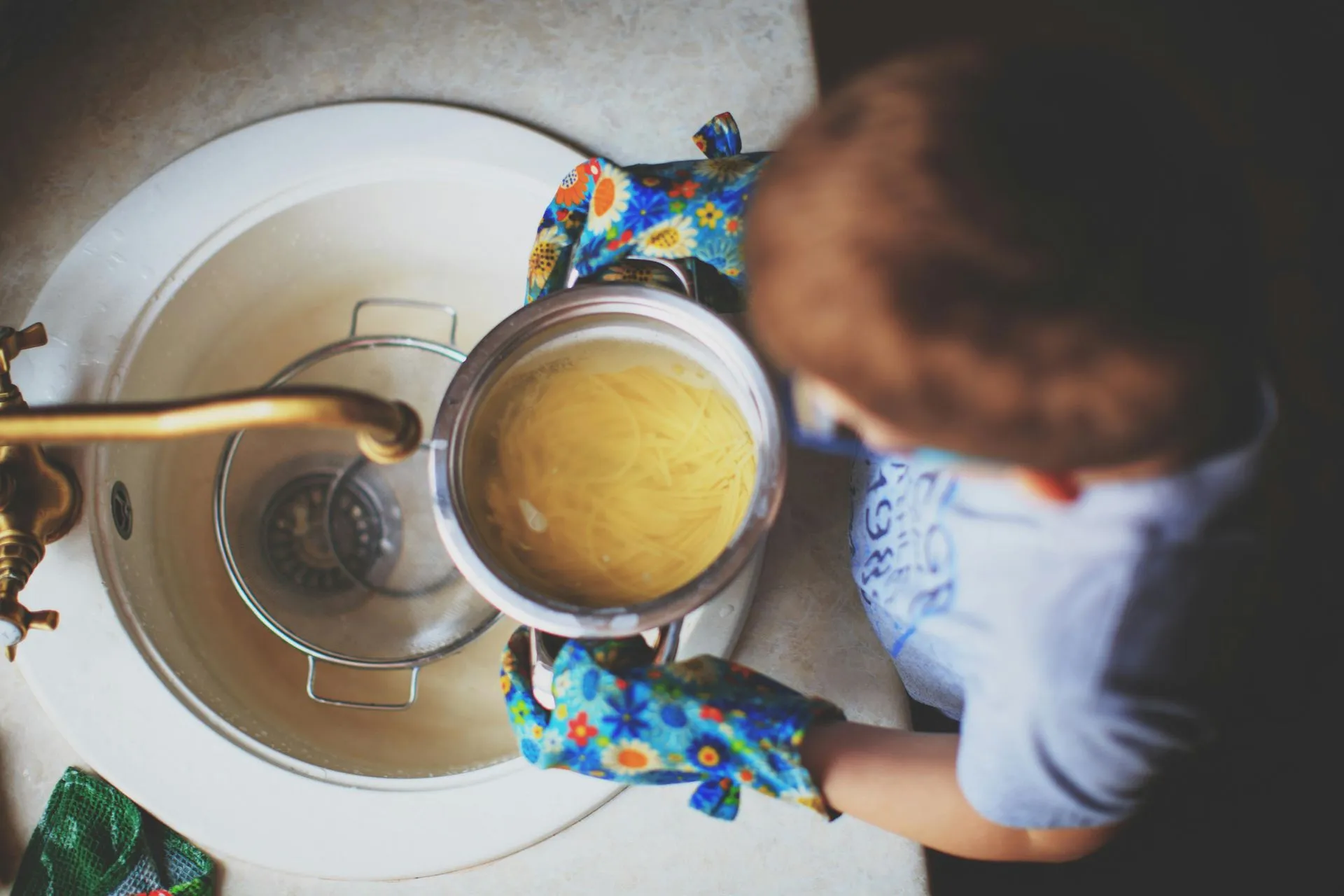
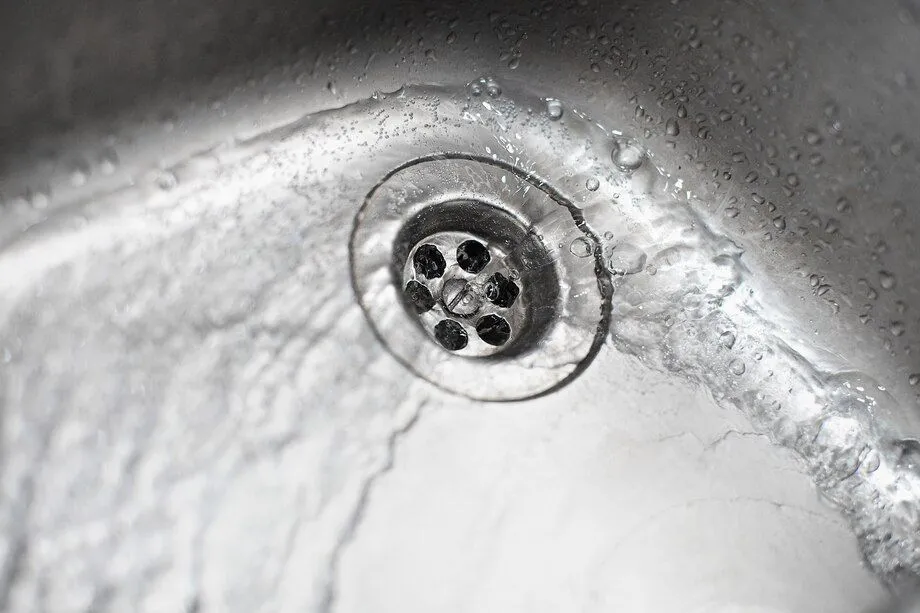
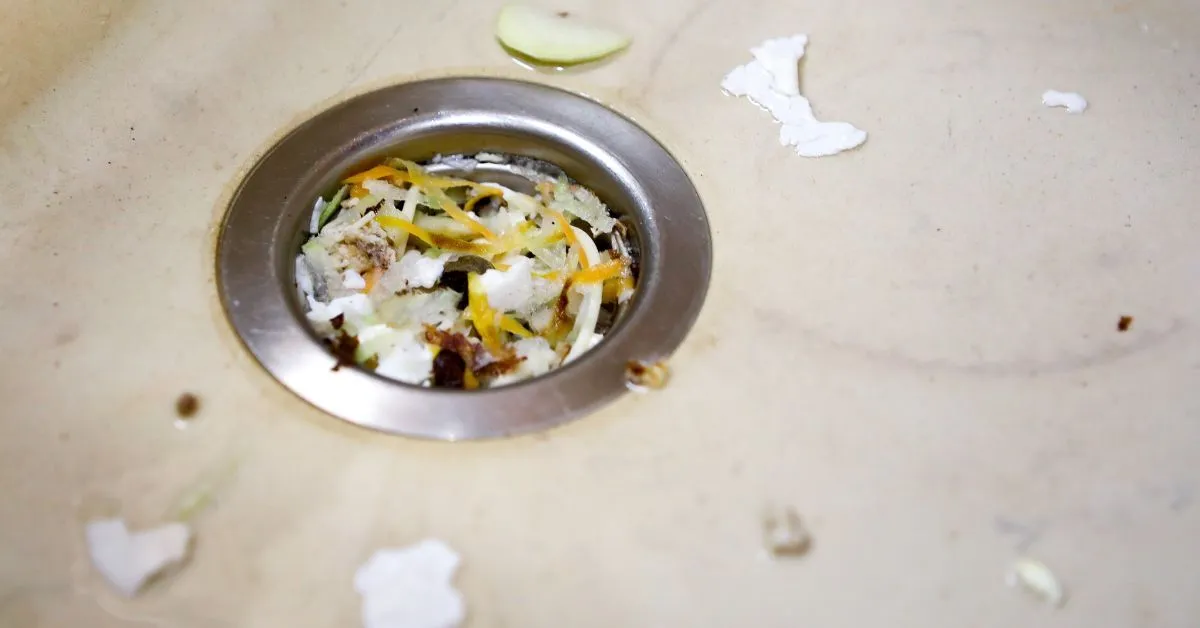
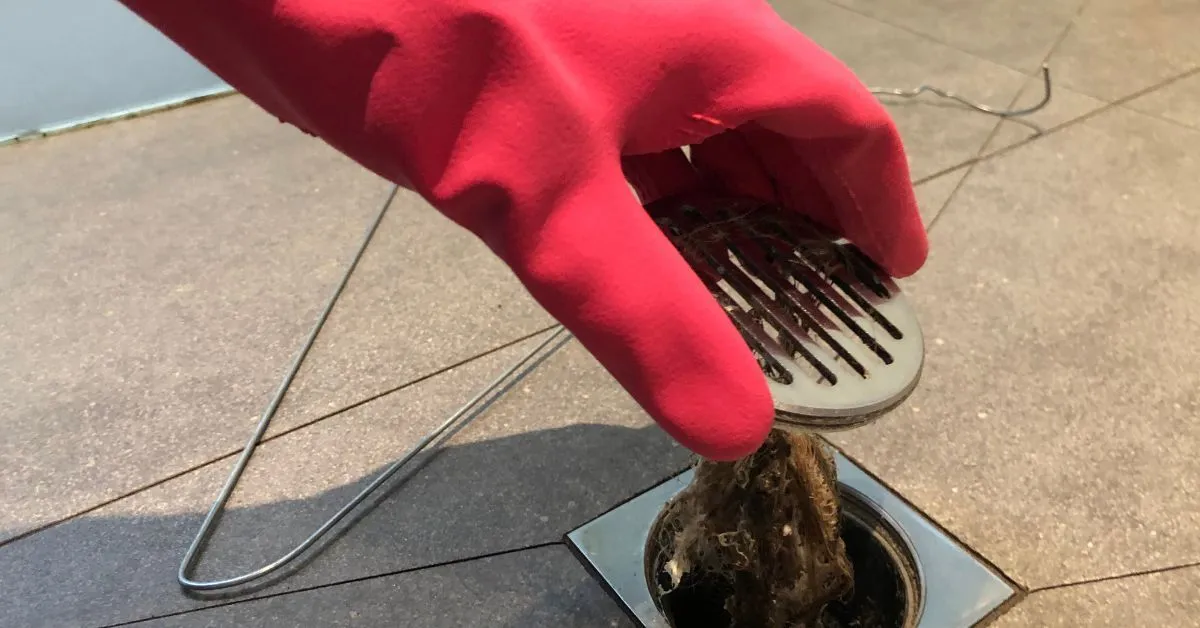
Hot grease looks harmless flowing down a drain. Once it cools inside a pipe, it solidifies and coats the interior walls like concrete. Over time, that buildup narrows the pipe's diameter and slows wastewater flow. Eventually, it triggers a full backup.
The numbers are striking. The EPA estimates the average restaurant generates between 800 and 17,000 pounds of uncollected grease per year. Even at the low end of that range, accumulation adds up fast. A single busy service can send pounds of fat, oil, and grease into your plumbing system.
This is not a slow, invisible problem. It compounds every single day.
Rochester's FOG Rules and What They Mean for Your Business
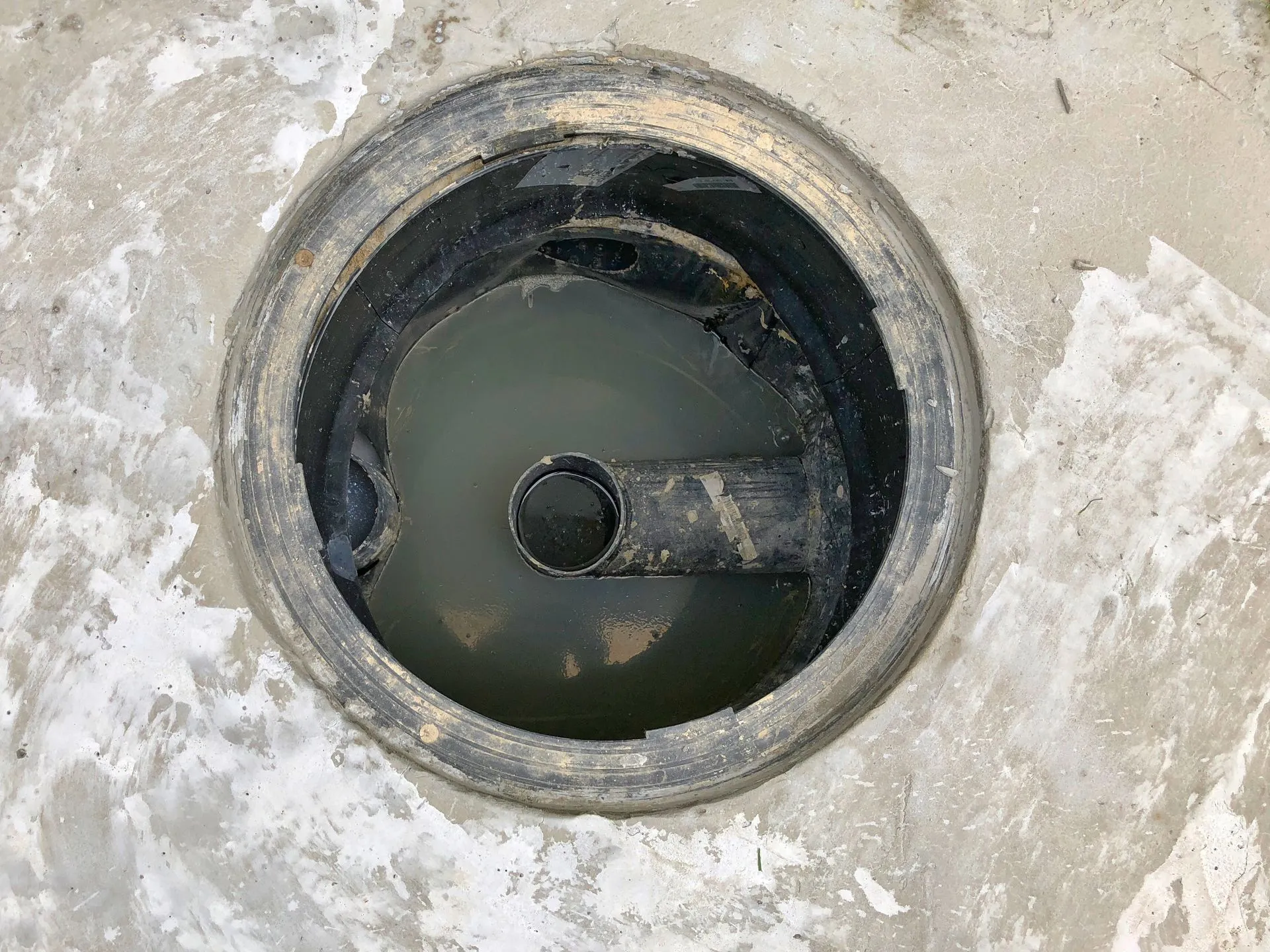
Rochester's city code does not leave grease management up to individual business judgment. Under Rochester Code of Ordinances Chapter 12-5, food service establishments must maintain and regularly service their grease management equipment. That includes both indoor hydromechanical grease traps and larger outdoor gravity interceptors. Those interceptors can hold anywhere from 1,000 to 3,000 gallons.
Compliance is not passive. Businesses must keep documented cleaning manifests from certified service providers. That paper trail matters during inspections. Incomplete records or missed service intervals expose you to fines and potential shutdowns.
Rochester and other major Minnesota cities are actively enforcing FOG regulations in 2026. This is not a future concern. It is a current operational reality.
What Happens During a Professional Grease Trap Service
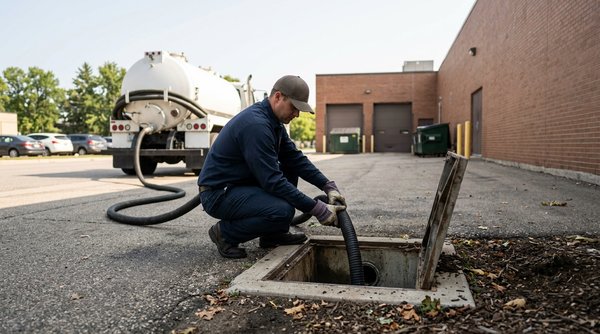
Many kitchen managers have never actually watched a grease trap cleaning happen. Here is a straightforward breakdown of what a professional service involves:
- Inspection of the trap and inlet/outlet baffles to assess current grease cap depth and any visible structural issues.
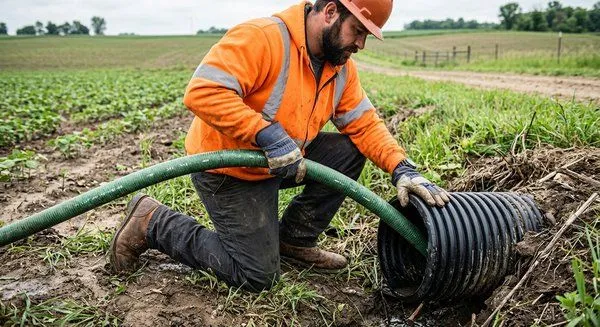
- Pumping the full contents of the trap, including the floating grease cap, the wastewater layer, and the settled sludge at the bottom.
- Scraping and cleaning the interior walls to remove grease that has adhered to the trap structure.
- Inspection of the effluent leaving the trap to confirm the unit is functioning within acceptable FOG levels.
- Documentation of the service, including waste volume and disposal records, for your compliance manifest.
Skipping any one of these steps is the difference between a clean trap and a trap that looks clean on the outside but is already failing at the effluent level.
Grease Trap Cleaning and Your Wider Drain System
A clean trap is necessary. It is not always sufficient. Grease that escapes the trap or accumulates downstream can still cause major problems. This is where jetter cleaning plays a critical supporting role.
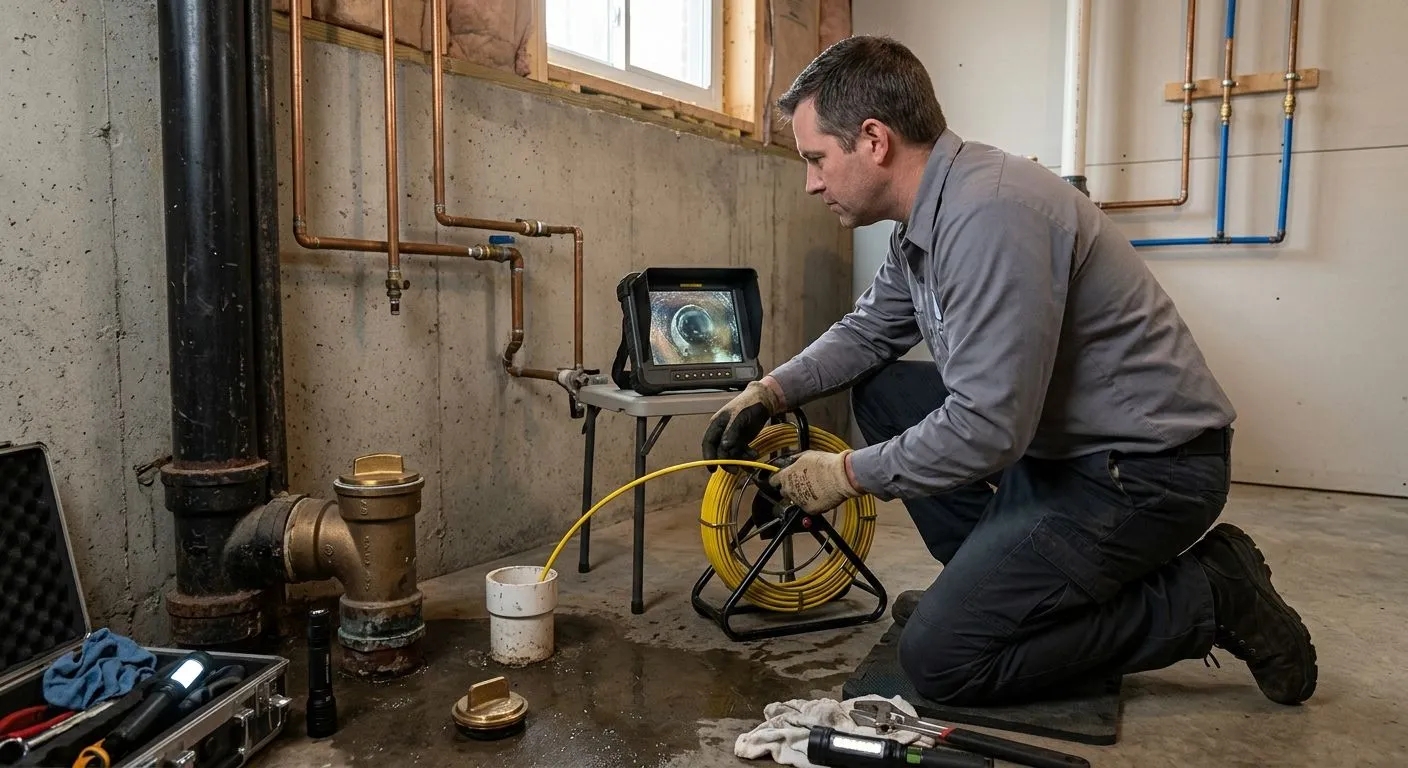
High-pressure water jetting clears grease deposits and scale from the interior of your private service lines. It restores full pipe capacity. Chemical drain treatments simply cannot match those results. Pairing a scheduled grease trap pump-out with periodic jetter cleaning gives your kitchen's entire drain system a complete reset.
Rochester is also in the middle of significant municipal sewer infrastructure work in 2026. This includes the $13.2 million East Zumbro Sewer and Water Project. As city lines shift and sediment moves through the system, downstream pressure on commercial lateral lines increases. Keeping your private lines clean reduces your exposure to backups caused by these larger system changes.
Signs Your Grease Trap Needs Immediate Attention
Do not wait for a backup to tell you the trap is full. Watch for these warning signs:
- Slow floor drains or sink drains in your kitchen
- Persistent foul odors near drains or outside the building
- Gurgling sounds from drain lines after peak service hours
- Visible grease appearing in floor drain backup water
- Your last documented service was more than 90 days ago
Any one of these is a reason to schedule service immediately. A combination of two or more means you are already behind.
Frequently Asked Questions
How often should a restaurant in Rochester have its grease trap cleaned?
Most commercial kitchens need service every 30 to 90 days, depending on volume and trap size. High-volume operations often require monthly service. Your certified provider can assess your specific output and recommend a schedule that keeps you compliant.
What is the difference between a hydromechanical grease trap and a gravity interceptor?
A hydromechanical trap is a smaller, indoor unit installed close to the sink or dishwasher. A gravity interceptor is a large outdoor tank, often holding 1,000 to 3,000 gallons, buried outside the building. Both require regular pumping, but gravity interceptors typically serve higher-volume operations and have longer service intervals.
Can I get fined for not keeping grease trap cleaning records?
Yes. Under Rochester's local FOG ordinances, food service establishments must maintain documented manifests from certified service providers. Missing or incomplete records can result in fines and create liability during health or code inspections.
Does grease trap cleaning also clean my drain lines?
No. Grease trap service clears the trap itself. Your private drain lines may still carry grease deposits that require separate jetter cleaning. A complete maintenance program addresses both.
What should I do if my kitchen drain is already backing up?
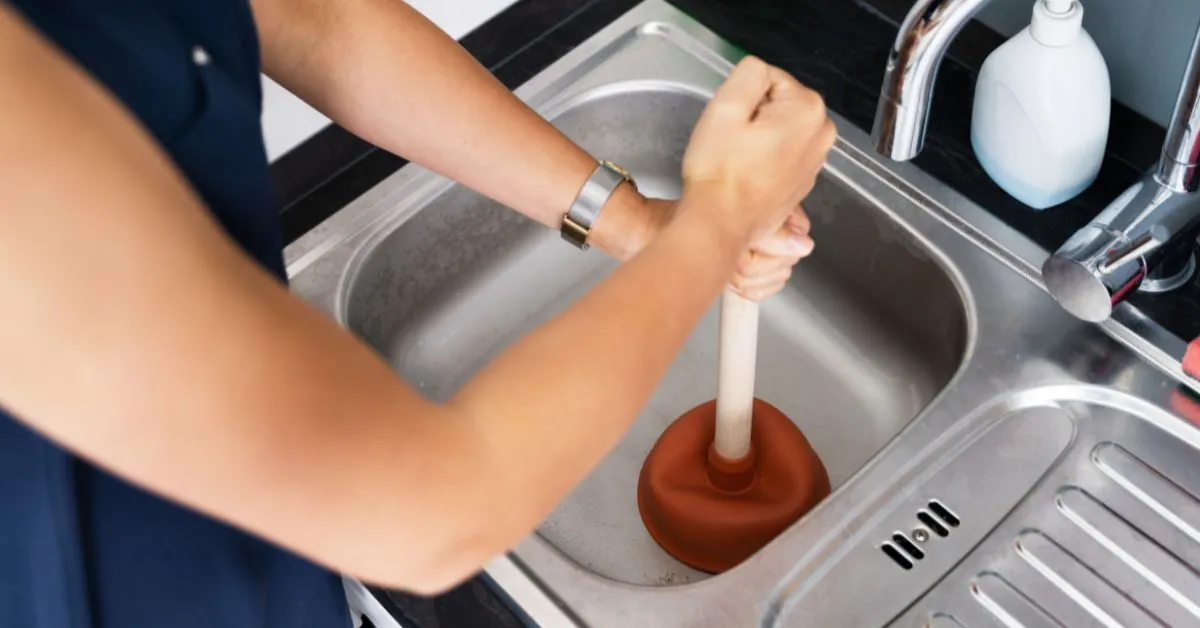
Stop using affected drains immediately and call a professional drain service. Do not attempt to clear a severe backup with hot water or chemical treatments, as this can push grease further into the line or create a larger blockage downstream.
Protecting your kitchen from grease-related shutdowns starts with a consistent, documented service schedule. Contact Rochester Drain Rite today to schedule professional commercial grease trap cleaning and get your compliance records current before your next inspection.