Why Rochester Homeowners Need a Sewer Camera Inspection Before Spring
Is Your Sewer Line Ready for Spring? Why Rochester Homeowners Shouldn't Skip a Camera Inspection
Winter in Rochester, Minnesota is no joke. Between the bone-chilling temperatures, relentless freeze-thaw cycles, and heavy clay soils that shift with every frost, your underground sewer line takes a serious beating every single year. By the time spring arrives, many homeowners have no idea that what looks like a minor slow drain is actually a symptom of something much more serious happening beneath their yard.
Rochester Drain Rite has seen this pattern play out season after season across the Rochester metro area. The good news is that a professional sewer camera inspection can catch these problems early, before a small crack turns into a complete sewer line collapse and a bill that runs into the thousands.
Here is what every Rochester homeowner should know heading into the warmer months.
What Happens to Your Sewer Line During a Rochester Winter
Rochester's winters are uniquely punishing on underground infrastructure. The region's dense clay soils absorb and hold moisture, which means every freeze-thaw cycle causes the ground around your pipes to expand and contract with tremendous force. This is not just a seasonal inconvenience. Over years and decades, this constant movement causes rigid pipes to crack at the joints, develop offsets, or collapse entirely in spots.
This problem is especially pronounced in Rochester's older, established neighborhoods like Historic Southwest, Slatterly Park, and Pill Hill. Homes built before 1980 in these areas frequently have original clay or cast-iron sewer lines that were never designed to handle a lifetime of Minnesota winters. These materials are brittle, and they do not flex the way modern pipe materials do.
Beyond soil movement, frozen sewer lines themselves are a significant hazard. Many homeowners know to worry about frozen water supply pipes, but sewer lines can freeze too. Slow-moving trickles from a running toilet, a dripping faucet, or condensation drainage from high-efficiency furnaces can gradually freeze layer by layer inside a cold sewer line until a solid ice blockage forms. When spring thaw arrives, that sudden rush of water pushing against a weakened pipe can accelerate damage that was already building all winter long.
The Hidden Danger of Tree Roots in Rochester's Mature Neighborhoods
Rochester is a beautiful city in part because of its stunning mature oak and maple trees. But those same majestic trees are one of the most common causes of sewer line failure throughout the metro area.
During winter dormancy and dry spells, tree roots actively search for water, oxygen, and nutrients. Because warm wastewater flowing through sewer lines releases vapor through even microscopic cracks or aging joints, roots follow that vapor trail directly into your pipe. Once a root hair gets inside, it thrives on the nutrient-rich sewage environment. Tree roots can grow up to one foot per day inside a pipe, eventually forming a dense web that catches toilet paper, grease, and debris, building into a full blockage.
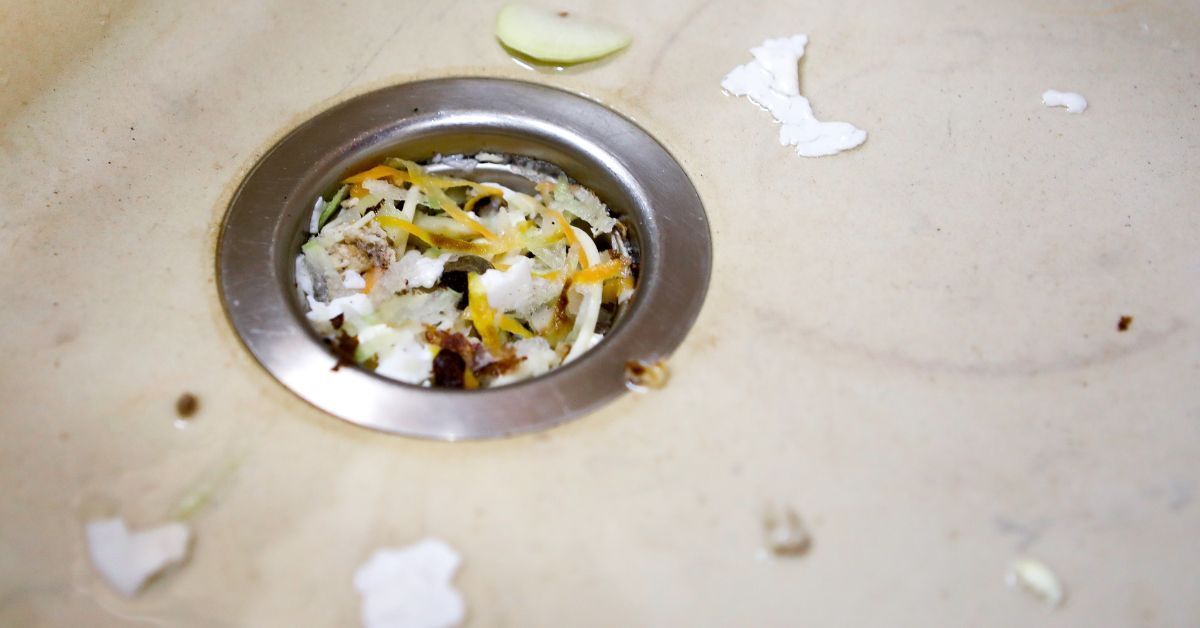
The tricky part is that early-stage root intrusion looks identical to a regular clog from the surface. Without a camera inside the pipe, there is no way to know whether you are dealing with a grease buildup or a root mass that will be back within weeks of being cleared.
Why Poking a Hole Through a Clog Is Not Enough
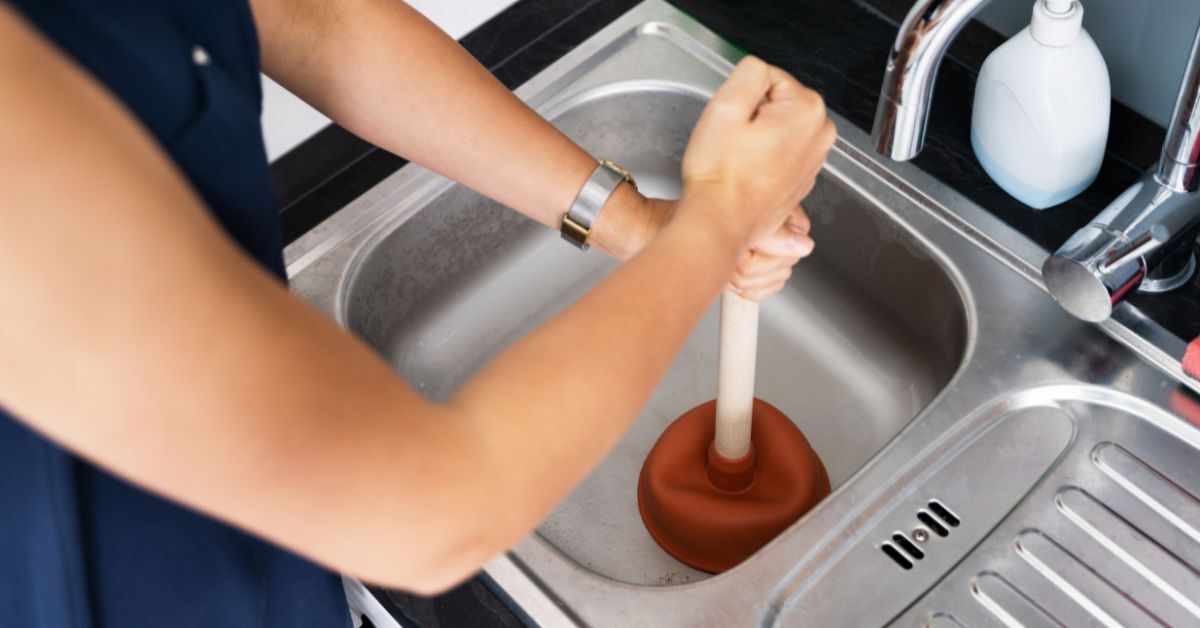
This is where many homeowners get into trouble. A standard drain snake or auger can punch a temporary hole through a blockage and restore flow for a day or two. But if the underlying cause is a cracked pipe, a pipe belly (a sag where waste pools and accumulates), or an established root intrusion, that clog will return quickly and often gets worse each time.
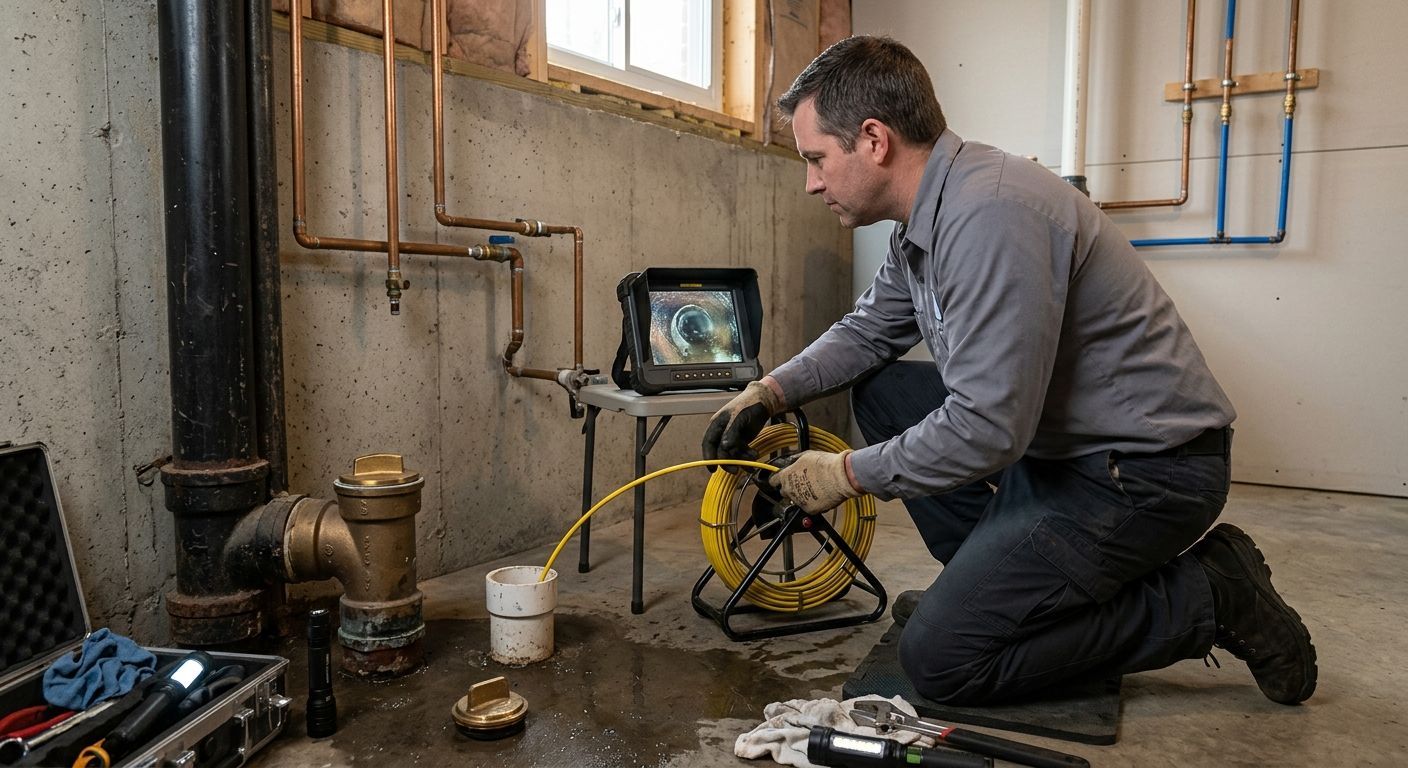
The industry has moved strongly toward video camera pipe inspections as the diagnostic first step for recurring or suspicious clogs. A high-resolution camera pushed through your sewer line gives a technician a real-time look at the actual condition of the pipe: its structural integrity, whether joints are offset or cracked, whether roots are present, and whether there are low spots causing pooling. This information is critical before deciding on the right solution.
It is the difference between treating a symptom and fixing the actual problem.
What Happens After the Inspection
Once the camera inspection identifies what is going on inside your sewer line, the appropriate solution becomes clear.
Common next steps include:
- Hydro-jetting: For root intrusion, grease buildup, or severe debris clogs, high-pressure hot water jetting (up to 4,000 PSI) clears the line thoroughly and safely, without damaging the pipe walls.
- Root inhibitor treatment: After clearing roots, a chemical-free foaming root inhibitor like RootX can be applied to slow regrowth and extend the time between service calls.
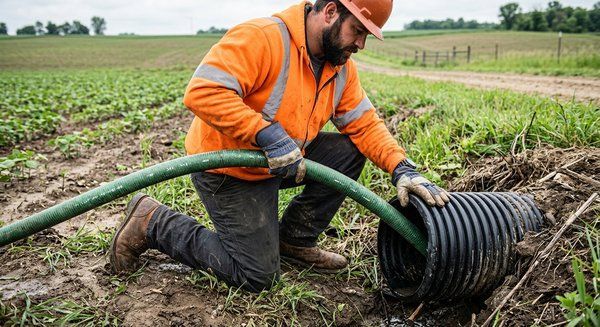
- Pipe repair or lining: If the camera reveals cracks, offsets, or structural failure, a targeted repair or trenchless lining solution can restore the line without digging up your entire yard.
- Sewer line thawing: If an ice dam is still present in early spring, hot-water hydro-jetting is the safest method to melt the blockage without thermally shocking and cracking a cold, brittle pipe.
Spring Is the Right Time to Act
After months of freeze-thaw stress, early spring is the ideal window to assess your sewer line's condition before heavy spring rains hit and demand on your system increases. Catching a cracked joint or a root intrusion now, before a backup floods your basement or collapses your lateral line, can save you from a very expensive and disruptive emergency repair.
If your home was built before 1980, if you have large trees near your sewer lateral, or if you have noticed slow drains, gurgling toilets, or recurring clogs this winter, do not wait for things to get worse.
Frequently Asked Questions
How often should a Rochester homeowner get a sewer camera inspection?
Most plumbing professionals recommend a sewer camera inspection every 2 to 3 years for homes over 30 years old, or any time you notice recurring slow drains, backups, or gurgling sounds. Homes with large mature trees nearby or original clay and cast-iron pipes may benefit from annual inspections.
Can I schedule a sewer inspection even if I am not experiencing any problems right now?
Absolutely. Preventative inspections are actually the best time to find small issues like hairline cracks, minor root intrusion, or early-stage pipe bellies before they develop into costly emergencies. Think of it the same way you think about a home inspection before a major purchase.
Is hydro-jetting safe for older clay or cast-iron pipes?
Yes, when performed by an experienced technician who adjusts pressure settings appropriately. A camera inspection before jetting is important precisely for this reason, as it allows the technician to assess the pipe's current condition and choose the safest pressure setting for the material and age of the pipe.
What is a pipe belly and how do I know if I have one?
A pipe belly is a sag or low spot in the sewer line, often caused by soil settling or ground movement. Waste and water pool in this low spot instead of flowing freely toward the main sewer. Signs include recurring slow drains that no amount of snaking seems to permanently fix. A camera inspection is the only reliable way to diagnose a belly.
Does Rochester have any regulations homeowners need to know about regarding their sewer lines?
Homeowners are generally responsible for maintaining the sewer lateral that runs from their home to the city connection point at the street. Rochester also enforces strict regulations for commercial food service establishments under City Ordinance Chapter 76C, which requires proper grease trap installation and maintenance. If you own a commercial property or restaurant, staying current on grease trap service is not optional.